A report by Forbes and data from the Colorado Secretary of State confirm the LLC model supports long-term growth. With pass-through taxation and legal protection, it’s a practical choice built for success. In this article, we’ll explain how LLCs function under Colorado law and what makes them unique compared to other business types.
How LLC Work in Colorado?
LLC stands for Limited Liability Company. It’s a legal way to run a business without risking your home, car, or savings. In Colorado, it’s the go-to setup for startups and solo owners. You get legal protection like a corporation, but with fewer rules.
As of 2024, over 230,000 active LLCs operate in Colorado, based on state data. According to the University of Colorado Business Research Division, LLCs account for nearly 70% of new business filings. Why? Easy setup, flexible taxes, and low state fees.
LLCs in Colorado offer real perks:
No personal liability for business debt
Pass-through taxation (skip the corporate tax)
No annual meeting rules
It’s simple, smart, and built to grow with you. Set it up once—run smooth for years.
Key Benefits of Starting an LLC in Colorado
Colorado’s a sweet spot for business owners chasing liability protection, flexibility, and tax perks. With over 600,000 active LLCs, it’s a top choice for entrepreneurs nationwide. Let’s unpack five killer reasons to set up shop here.
1. Low Costs and Simple Setup
Colorado keeps LLC filing fees low, just $50 to start, among the cheapest in the U.S., plus, the online process is simple and takes less than an hour
No need to break the bank, a Colorado Secretary of State report shows 80% of LLCs file digitally, saving time and hassle so you’re up and running fast
Example: A Denver coffee shop owner filed her LLC online in 45 minutes. Saved hundreds compared to other states. More cash for beans and brews.
2. Personal Asset Protection
Your personal stuff stays safe with a Colorado LLC. Business debts or lawsuits? They can’t touch your house, car, or savings. That’s ironclad protection, Colorado style.
The state’s laws create a clear wall between you and your business. A University of Colorado study confirms LLCs shield personal wealth better than sole proprietorships.
Example: A Boulder contractor faced a client lawsuit. His LLC kept his home and truck untouchable. Zero stress. Full security.
3. Pass-Through Taxation
Colorado LLCs dodge double taxation. Profits pass straight to your personal taxes, skipping corporate tax hits. That’s more money for you, plain and simple.
The IRS backs this setup, letting LLCs avoid federal corporate taxes. Colorado’s low 4.55% personal income tax keeps your wallet happy.
Example: A Fort Collins freelancer switched to an LLC. Cut her tax bill by 10%. Used the savings to upgrade her studio. Smart move, big win.
4. Flexible Management Structure
No rigid rules here. Colorado LLCs let you manage your way—solo, with partners, or with hired pros. No need for fancy titles or forced setups.
State law skips mandatory operating agreements. A Colorado Bar Association guide notes this flexibility draws 65% of new businesses to LLCs.
Example: A Colorado Springs startup ditched a clunky corporate structure. Went LLC, streamlined decisions, and shaved 30% off admin time. All focus, no fuss.
5. Business-Friendly Environment
Colorado’s pro-business vibe is real. Fast permits, clear regulations, and a thriving economy make it a launchpad for growth. The state ranks top 10 for business climate, per Forbes.
Local support programs help LLCs scale. From Denver to Durango, you’ve got resources to crush it.
Example: A Grand Junction tech firm tapped state grants through their LLC. Doubled their team in a year. Colorado’s got your back.
Why Entrepreneurs Prefer a Colorado LLC Over a Corporation
Starting an LLC in Colorado is a top pick for small business owners. Over 90% of new ventures in the state lean toward LLCs. Why? You get limited liability protection, and your personal property stays safe from business debts and obligations.
Here’s why forming a Colorado LLC beats a corporation:
Avoid double taxation with a pass-through entity setup
Simple filing—just submit your Articles of Organization
Fewer rules than a Colorado corporation
Track profits and losses without a fuss
Stay in compliance with state regulations by filing your periodic report
When creating an LLC, always draft a solid operating agreement—don’t skip it. A business attorney can help you shape the best plan for your type of business. If you’re starting a business in Colorado, take advantage of the benefits of an LLC—it’s smart, safe, and built for growth.
Tax Benefits and Considerations for Colorado LLCs
Running an LLC in Colorado can ease your tax load, unlike corporations, most LLCs are pass-through entities, so profits skip corporate tax and go straight to members, that means lower rates, simpler forms, and fewer surprises for legal entities like yours.
Here’s what makes the tax setup for LLCs so appealing:
No double tax like with corporations and LLCs taxed as C-corps
Flexibility in how your LLC may be taxed (sole prop, partnership, or S-corp)
Easier filings when you form your LLC with the Colorado Secretary of State
Customize income split based on the number of members
Protects shareholders from being personally liable for business debts
While setting up an LLC, it’s smart to draft a well-drafted operating agreement. It defines how you’ll handle taxes, income, and the obligations of the business. For full protection and accuracy, always seek legal advice. The benefits of an LLC go beyond taxes, personal liability protection, simplicity, and full control over your business name are just the start.
Cons of Forming an LLC in Colorado
Starting a Colorado LLC comes with plenty of upsides, but it’s not all smooth sailing. Colorado’s business-friendly vibe is real, but a few hurdles might trip you up. Let’s break down three key challenges to watch for.
1. Annual Fees and Reporting
Every Colorado LLC must file an annual report and pay a $10 fee. For tiny startups, even small costs sting. Miss the deadline, and late fees pile on fast.
A Colorado Secretary of State guide notes compliance is straightforward once you get the hang of it. Stay on top, and it’s no big deal.
2. Registered Agent Requirement
Colorado law says your LLC needs a registered agent with a physical address in the state. Hiring one costs extra—anywhere from $50 to $200 a year. That’s a drag if you’re not local.
Pick a solid agent, though, and you’re covered for legal notices. Peace of mind comes with the price.
3. State Income Tax
Unlike some states, Colorado charges a 4.55% personal income tax on LLC pass-through profits. For high earners, that bites harder than zero-tax states like Nevada. The Tax Foundation ranks Colorado’s tax climate decent but not top-tier.
Learn the deductions, and you can soften the hit. It’s manageable with a sharp accountant.
Cost of Forming and Maintaining an LLC in Colorado
Setting up an LLC in Colorado is a steal compared to other states. The costs are low, and the process is straightforward.
Below is a table breaking down the key expenses for forming and maintaining a Colorado LLC, with examples to show why it’s worth every penny.
Item | Cost | Details |
|---|---|---|
Articles of Organization | $50 (one-time) | File online with the Colorado Secretary of State. Takes 1-3 days. |
Name Reservation (Optional) | $25 (optional) | Reserves your LLC name for 120 days. No need if filing right away. |
Registered Agent | $0-$125/year | Free if you act as your own agent. Services like Northwest charge ~$125. |
Operating Agreement | $0 | Not required but recommended. Draft it yourself or use free templates. |
EIN (Employer ID Number) | $0 | Free from the IRS. Needed for taxes, banking, or hiring employees. |
Periodic Report (Annual) | $10/year | Due annually to keep your LLC in good standing. Late filing penalty: $50. |
Trade Name (DBA, Optional) | $20 + $5/year | For operating under a different name. Renewal is $5 annually. |
Business Licenses/Permits | Varies ($4-$110) | Depends on city and industry. E.g., Colorado Springs licenses start at ~$110. |
Example: A Denver baker files her Articles of Organization for $50, acts as her own registered agent ($0), drafts a free Operating Agreement, and gets an EIN ($0). Annual Periodic Report: $10. First-year total: $60. She’s set and secure.
Why It Pays Off: The $50 startup cost delivers limited liability protection, safeguarding personal assets. Pass-through taxation skips double taxes, and the $10 annual fee keeps your LLC active. The Colorado Secretary of State says 80% of LLCs file online, fast and cheap. California’s fee is $70; Florida’s is $125. Colorado’s a steal.
LLC vs Corporation in Colorado: Legal and Financial Differences That Impact Your Business
Nearly 90% of new small businesses choose either LLCs or corporations. Why? A Colorado LLC offers personal liability protection without the rigid setup of a corporation. One of the main benefits, simplicity. No need for a board or formal meetings.
Colorado LLC vs Sole Proprietorship: Which Structure Provides More Benefits?
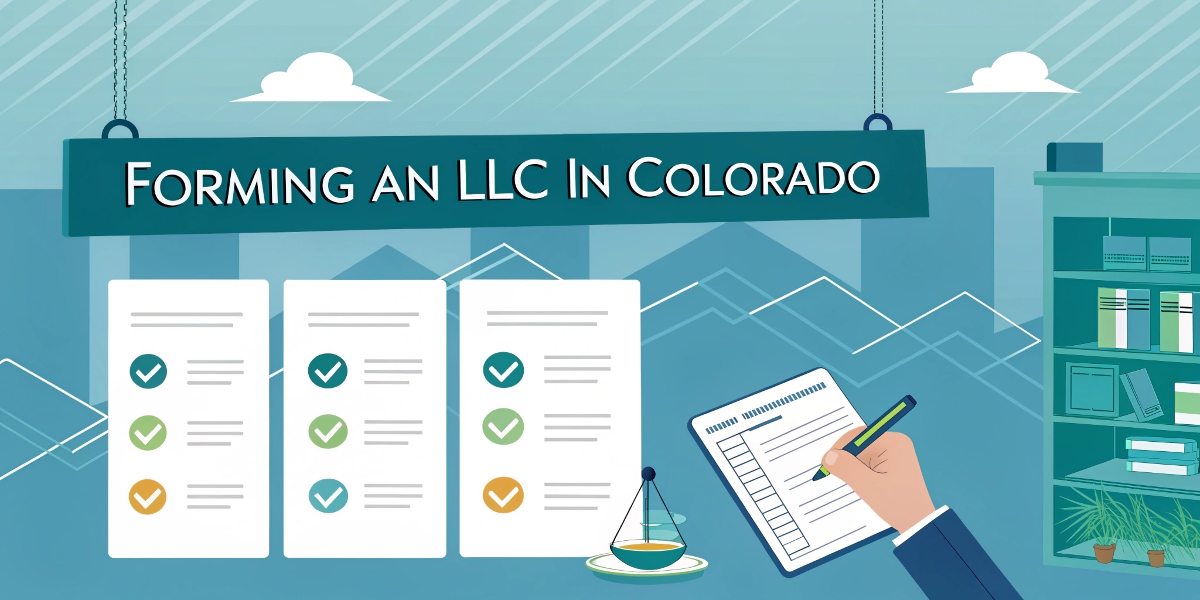
Step-by-Step Guide to Forming an LLC in Colorado
Follow these concise steps to form your LLC and stay compliant.
1. Choose a Unique Name
Select a name with “LLC” or “Limited Liability Company.” Verify availability on the Colorado Secretary of State website. Cost: $0.
2. Reserve Name (Optional)
Lock your name for 120 days for $25 via the Colorado Secretary of State site. Cost: $25.
3. Appoint a Registered Agent
Designate a person or service with a Colorado address to handle legal documents. Self-agent: $0; services: ~$125/year.
4. File Articles of Organization
Submit online to the Colorado Secretary of State for $50. Include name, agent, and purpose. Approval: 1-3 days.
5. Obtain an EIN
Get a free Employer Identification Number from the IRS website for taxes and banking. Takes minutes.
6. Draft Operating Agreement (Optional)
Outline management and roles. Not required; use free templates. Cost: $0.
7. File Periodic Report
Submit annually for $10 via the Colorado Secretary of State to stay active. Late fee: $50.
8. Secure Licenses/Permits
Check local requirements via Colorado Business Express. Costs vary by city/industry ($4-$110).
Navigating Colorado Business Law as an LLC Owner: What You Need to Know
Colorado LLCs deliver big wins for business owners. Over 70% of new Colorado businesses pick this structure, says the Secretary of State. Liability protection and tax flexibility drive success.
Research confirms the perks of choosing an LLC. A University of Denver study shows LLCs protect personal assets and simplify taxes versus corporations. The SBA praises Colorado’s easy registration process.
Asset Protection: Shields personal wealth from business risks.
Tax Choices: Offers pass-through or corporate tax options.
Easy Compliance: Requires just annual reports in Colorado.
Draft an operating agreement to avoid issues. Colorado’s clear laws keep compliance simple. Launch your LLC with confidence, reaping these benefits.
Common Mistakes to Avoid When Starting an LLC in Colorado
Around 60% of new LLCs face delays due to simple errors. Taking care early saves time and money. Colorado’s business-friendly laws reward those who get it right.
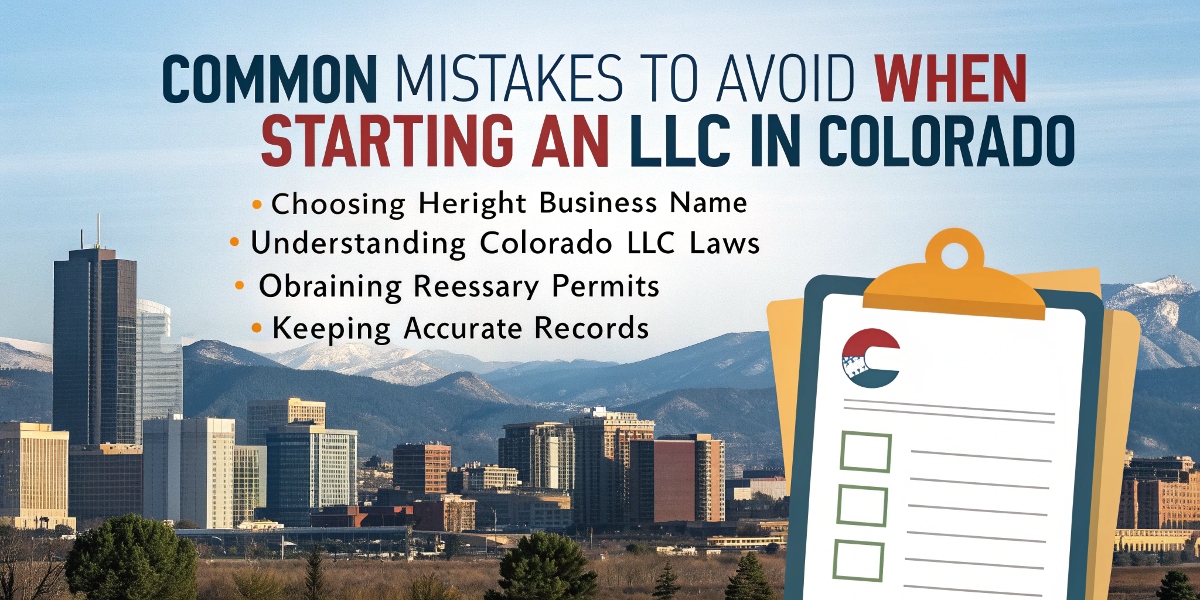
According to the Colorado Secretary of State, missing or late filings cause most hold-ups. A report from Small Business Administration (SBA) shows many skip important steps that protect personal assets and business credibility. Avoiding these ensures smooth setup and growth.
Skipping the Operating Agreement leaves roles and rules unclear.
Missing the annual report deadline risks penalties or dissolution.
Mixing personal and business finances weakens legal protections.
Ignoring proper licensing can lead to fines.
Steer clear of these mistakes. Your Colorado LLC will benefit from strong foundations and smart planning. Success is just good choices away.
Conclusion
- Online Services That Can Help Me File My CA Annual Report Easily September 1, 2026 - Home » Benefits of LLC in ColoradoCalifornia Annual Report – 2026 Guide California does not really do an “annual report.” What you are actually filing is called the Statement of Information, and for an LLC it only comes around once every two years. Start your Business Trustpilot REGISTER YOUR LLC TODAY Yeah, tons of them, …
Online Services That Can Help Me File My CA Annual Report Easily Read More »
 Find a reliable registered agent in California for my LLC? August 31, 2026 - Home » Benefits of LLC in ColoradoHow do I find a reliable registered agent in Californiafor my LLC? A non-US resident can start an LLC in the USA. You do not need to be a US citizen or live in the USA. You will usually need a registered agent and some basic business documents. Start …
Find a reliable registered agent in California for my LLC? Read More »
 LLC For Non-US-Residents August 22, 2026 - Home » Benefits of LLC in ColoradoLLC for Non-US Residents In 2026 A non-US resident can start an LLC in the USA. You do not need to be a US citizen or live in the USA. You will usually need a registered agent and some basic business documents. Start your Business Trustpilot REGISTER YOUR …