Learn how to properly dissolve an LLC, including filing Articles of Dissolution, settling debts, and understanding IRS guidelines for closing a business.
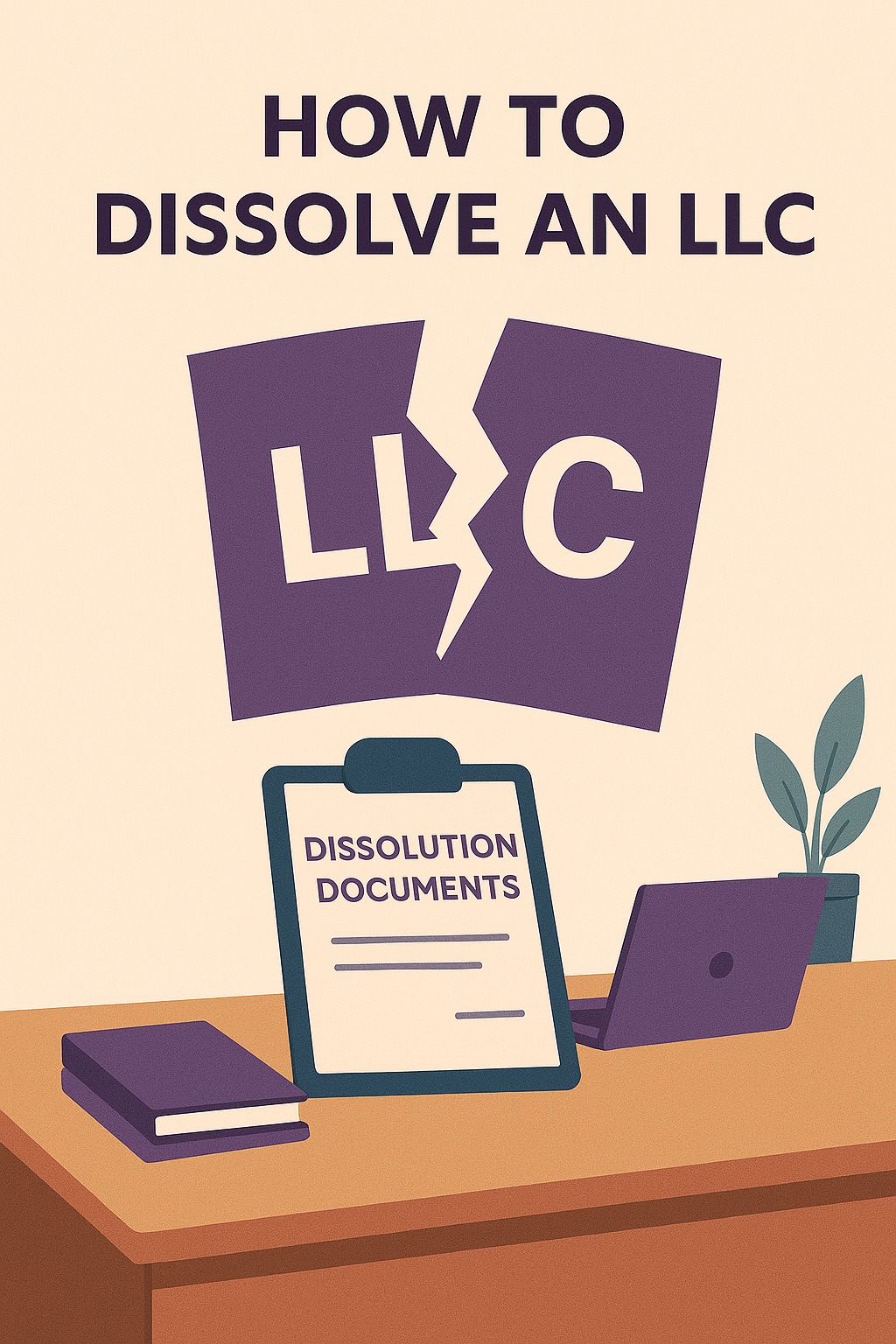
Dissolving an LLC protects you from ongoing taxes, debts, and legal obligations. Each state follows its own rules during dissolution so the confirmation process must take place through submitting Articles of Dissolution with the Secretary of State. The IRS has found that 65% of small businesses do not properly dissolve their operations which leads to unanticipated tax obligations along with penalties.
Harvard Business Review demonstrated that companies that follow established procedures for dissolving their LLCs face 40% lower legal complications. The IRS advises filing a final tax return and canceling all business permits. Properly terminating an LLC ensures a clean exit with no lingering obligations.
To dissolve your LLC without penalties, notify creditors and pay off debts. Cancel your EIN, withdraw from state registrations, and keep all dissolution records. A smooth dissolution process prevents financial setbacks, giving you a fresh start.
What Does LLC Dissolution Mean? And What Is the Dissolution Process?
LLC dissolution is the official termination of a business entity, either voluntarily or involuntarily. Around 70% of small businesses shut down within a decade, with many opting for voluntary dissolution due to strategic shifts. The process varies by formation state’s LLC laws but requires proper legal steps to avoid penalties.
A report from the Small Business Administration (SBA) highlights that improper LLC dissolution can lead to judicial dissolution or financial liabilities. Some states, like California, continue to impose minimum taxes until an LLC is legally closed. Following the correct dissolution process protects members from unnecessary costs.
Difference Between Voluntary and Involuntary Dissolution
- Voluntary Dissolution: initiated by LLC members based on their operating agreement or mutual decision. This allows for a controlled closure, ensuring legal compliance and smooth asset distribution.
- Involuntary Dissolution: Enforced by state law due to missed filings, unpaid taxes, or legal violations. If an LLC fails to meet obligations, the state may revoke its status and impose penalties.
Step-by-Step LLC Dissolution Process
Step 1: Vote for Dissolution
- Follow the operating agreement to confirm the decision.
- Record the vote in written consent for legal proof.
Step 2: File Dissolution Documents
- Submit Articles of Dissolution to the formation state’s LLC division.
- Pay any required state filing fees to process the request.
Step 3: Settle Business Obligations
- Notify creditors and clear outstanding debts or taxes.
- Cancel business licenses, permits, and registrations.
Step 4: Distribute Remaining Assets
- Divide company assets among LLC members per the agreement.
- Maintain records to prevent legal disputes after dissolution.
Step 5: Notify Federal and State Authorities
- Inform the IRS to close tax accounts.
- File final state tax returns and ensure compliance.
Completing these steps ensures a smooth LLC dissolution, protecting members from future legal or financial obligations.
Why Would You Need to Dissolve Your LLC?
Keeping an LLC active means ongoing annual fees and tax responsibilities. Many business owners close their businesses when profits decline, goals shift, or LLC members separate. The Small Business Administration (SBA) reports that 20% of small businesses shut down within the first year due to financial challenges.
A study from the National Business Institute highlights that merging into another business structure or closing an inactive LLC can reduce tax burdens and prevent administrative dissolution penalties. Strategic planning ensures a smooth transition.
Before you need to file, consider:
- Business viability: Is it still profitable?
- Financial impact: Are costs outweighing benefits?
- Legal obligations: Are there compliance risks?
Closing an LLC at the right time helps you avoid penalties and move forward confidently.
Legal and Financial Implications of Keeping an Inactive LLC
An inactive LLC still comes with responsibilities:
- Annual fees & taxes: Costs keep adding up, even without revenue.
- Liability risks: Without maintenance, business owners remain legally responsible.
- Legal complications: Registered but inactive LLCs may face compliance issues.
Failing to close an LLC properly can lead to unnecessary expenses. Taking action ensures financial clarity and legal security.
How to Officially Dissolve Your LLC
To officially dissolve your LLC, you must file Articles of Dissolution with the Secretary of State. This step ensures compliance with state law and prevents legal issues. Once filed, your business must follow LLC statutes, settle debts, and submit required business dissolution forms.
A study from the IRS shows that businesses failing to dissolve properly may face penalties. You need to file dissolution documents, close accounts, and notify tax authorities. Following the legal process of LLC dissolution ensures a smooth exit.
To avoid issues, follow these steps:
- File dissolution documents per state law.
- Notify the IRS and finalize tax filings.
- Close business bank accounts and cancel licenses.
Taking these actions helps you terminate an LLC legally without complications. Proper closure protects you from future financial or legal claims.
What Must Be Done Prior to LLC Dissolution?
Closing an LLC involves more than just filing paperwork. The final tax return must be submitted, all LLC debts cleared, and the business bank account closed. The state tax department requires proper documentation to prevent future liabilities. Neglecting these steps could lead to penalties.
Settling Debts and Liabilities
Before closing your LLC, ensure all LLC debts are cleared. The state tax department requires payment of outstanding tax deposits and employee wages. Business owners must also resolve pending lawsuits to prevent legal complications.
- Pay off debts to suppliers and lenders.
- Settle outstanding taxes and employment obligations.
- Resolve any pending legal claims.
Closing Business Accounts and Licenses
Shutting down means closing financial accounts and ending obligations. A business bank account should be closed to avoid unauthorized use. All business licenses and permits must be canceled to prevent unnecessary renewal fees.
- Close all business bank accounts.
- Cancel permits and business licenses.
- Keep records of final transactions for tax filing.
A study from the National Federation of Independent Business (NFIB) highlights the importance of proper closure to avoid legal troubles. By following these steps, business owners ensure a smooth transition and prevent unexpected financial liabilities.
How to File Articles of Dissolution and Terminate Your LLC
Filing Articles of Dissolution is the official process to terminate an LLC. Each formation state’s LLC laws require a business filing with the secretary of state, either online or by mail. The IRS warns that failing to cancel properly may result in continued tax liabilities.
A report from the National Federation of Independent Business (NFIB) states that businesses that follow dissolution procedures prevent unnecessary debts and legal troubles. Some states require paper dissolution documents, while others accept digital submissions. Reviewing state-by-state LLC dissolution requirements ensures proper compliance with LLC statutes.
State-Specific LLC Termination Requirements
| State | Filing Method | Additional Requirements | Fee |
|---|---|---|---|
| California | Online & Mail | Final tax return required | $0 (if cleared) |
| Texas | Mail Only | Certificate of Account Status | Varies |
| Florida | Online | No extra requirements | $25 |
| New York | Mail Only | Newspaper publication needed | $60 |
| Illinois | Online & Mail | Tax clearance mandatory | $5 |
To complete the LLC cancellation process:
- Submit a certificate of dissolution or a similar document.
- Pay all required dissolution fees.
- Ensure compliance with your formation state’s LLC laws.
A well-executed LLC termination prevents legal issues, and following the correct steps secures a smooth exit.
Do You Need to Pay Annual Fees Before Closing an LLC?
Every LLC must clear its annual fees before closing. Some states impose penalties if payments are overdue, leading to administrative dissolution or tax liabilities. According to the state tax department, failure to file may result in extra charges, delaying the closure process.
A study from the IRS highlights that unpaid LLC fees can trigger compliance issues, impacting tax status. The Small Business Administration (SBA) recommends verifying outstanding balances with the state tax department to avoid unexpected costs.
To ensure a smooth exit:
- Confirm taxes have been paid before submitting dissolution forms.
- Request a final federal tax clearance if required.
- Settle outstanding LLC fees early to prevent complications.
Clearing obligations on time ensures a hassle-free closure, keeping financial records clean and future opportunities open.
How to Distribute Remaining Assets Before Closing Your Business
Before an LLC shuts down, remaining assets must go to LLC members per the operating agreement. The IRS requires a final franchise tax payment before closing an IRS business account. According to the SBA, failing to follow the legal asset distribution process can lead to penalties, making compliance essential.
A study from Harvard Law Review highlights that businesses must file an annual report and ensure accurate LLC member asset division before closing. The IRS mandates filing a final federal tax return and reporting all remaining assets online or through mail. Proper documentation avoids legal issues and simplifies tax obligations.
LLC Asset Distribution & Closure Process
| Step | Action Required |
|---|---|
| List all assets | Identify property, equipment, and funds |
| Pay liabilities | Settle debts before distributing remaining assets |
| Follow agreement | Distribute assets per LLC operating agreement |
| File annual report | Submit final annual report to state authorities |
| Handle taxes | Pay final franchise tax & close IRS business account |
| Report to IRS | File final federal tax return & ensure compliance |
| File online | Submit required forms digitally for faster processing |
By following these steps, businesses can legally close their entity without tax or compliance risks.
What Happens If You Fail to File for LLC Dissolution?
Ignoring the process to dissolve the LLC can have lasting consequences. The Internal Revenue Service may still expect tax filings, even if the legal entity is inactive. The Division of Corporations can mark the name of the LLC as delinquent, causing issues if you ever want to go out of business properly.
Consequences of Administrative Dissolution
When an LLC is dissolved involuntarily, the state takes control of the process, which can lead to:
- The Limited Liability Company Act mandates compliance to prevent dissolution by the state.
- Unpaid taxes and fees can accumulate, even if the business is inactive.
- Loss of limited liability protection, making owners personally responsible for debts.
According to the Internal Revenue Service, failing to dissolve the business entity may result in unexpected tax obligations. Properly closing a business ensures the LLC is dissolved without ongoing liabilities.
Potential Penalties for Failing to Close Your LLC Properly
Not following the correct steps to dissolve the business entity can result in:
- The type of business determines dissolution requirements and fees.
- Failure to act can lead to personal liability for unpaid debts.
A limited liability company must follow state and federal rules to avoid financial risks. Taking proactive steps ensures a clean break when you go out of business.
Key Takeaways for Business Owners
Dissolving a business the right way protects your finances and reputation. Before filing for an LLC’s dissolution, ensure all liabilities have been paid and business accounts are closed. A business owner must submit a copy of your articles and file articles of termination to confirm the company is no longer active.
If you had one or more employees, you’ll need to take steps like making federal tax deposits and report employment taxes to the IRS. Closing an EIN and close all business tax accounts is necessary. Additionally, don’t forget to distribute any remaining assets and file the final income tax return to avoid penalties.
Essential Steps for Business Owners
- File articles of termination and ensure your business type is properly dissolved.
- Make final federal tax deposits and report to the IRS prior to dissolution.
- If operating a sole proprietorship, you must report those payments to close accounts.
By following these steps, your LLC’s closure becomes official and won’t remain part of the public record. Handling dissolution properly ensures compliance and protects personal assets.
Closing a dissolved LLC the right way safeguards your financial and legal standing. Filing with the secretary of the state, settling debts, and ensuring assets are distributed to the members according to the LLC’s operating agreement are essential steps. Proper business practice ensures a smooth transition.
Failing to close an LLC means potential liabilities and tax obligations remain. Ensuring all parts and materials are accounted for, filing the final income tax return, and following dissolution protocols prevent future complications. The state may still recognize the LLC as part of the public record if steps are missed.
By finalizing the process correctly, business owners protect their interests. Whether handling including parts and materials or tax deposits, following legal guidelines ensures compliance and a clean exit.
- Iowa Business Entity Search Guide August 7, 2026 - Home » How to Properly Dissolve an LLC in 2025Iowa Business Entity Search 2026 Use the official Iowa Business Entity Search tool to look up any Iowa LLC or corporation by name. Check business status, filing history, and registered agent details. Fastest National Processing Times! REGISTER AN LLC Trustpilot Business Name Availability Check State of …
 Oregon Business Entity Search July 25, 2026 - Home » How to Properly Dissolve an LLC in 2025Oregon Business Entity Search 2026 Go to Oregon Business Entity Search to find LLCs, corporations, DBAs, and other registered businesses. Verify entity status, review filing history, check registration details, and access official public business records in Oregon for 2026. Fastest National Processing Times! REGISTER AN LLC …
 Kansas Business Entity Search July 22, 2026 - Home » How to Properly Dissolve an LLC in 2025Kansas Business Entity Search 2026 Kansas business entity search is free at sos.ks.gov. Look up any LLC, check its status, and confirm name availability in under 3 minutes. No login needed. Fastest National Processing Times! REGISTER AN LLC Trustpilot Business Name Availability Check State of Kansas …