Pass-through taxation allows business income to flow directly to owners, avoiding corporate tax. Over 90% of U.S. businesses including LLCs, partnerships, and S corporations use this structure. The IRS reports that small businesses save thousands annually with this approach.
According to the Tax Foundation, pass-through entities generate over 50% of U.S. business income, reducing double taxation. A Harvard study highlights that this system boosts entrepreneurship by cutting tax burdens. Many owners optimize their income tax strategy to maximize tax savings.
Choosing the right business tax classification matters. File through a personal tax return, track taxable income flow, and comply with IRS regulations. A well-structured business structure taxation plan ensures long-term benefits and financial efficiency.
What Is Pass-Through Taxation?
Pass-through taxation lets business income go straight to the owner’s personal tax return no double taxation. Nearly 95% of U.S. businesses follow this model, getting the perks of single-level taxation. The IRS includes LLCs, S Corps, partnerships, and sole proprietorships in this category.
LLCs and S Corps offer liability protection with pass-through benefits.
Partnerships divide income and losses among owners.
Sole proprietors report business earnings as personal income.
The Tax Foundation says pass-through businesses fuel 50%+ of private-sector income. The IRS confirms this structure cuts corporate tax burdens—a big win for entrepreneurs. Stay organized. Smart record-keeping means easy tax reporting, better deductions.
How Does Pass-Through Taxation Work?
Pass-through taxation lets business income go straight to owners, skipping corporate tax. Nearly 75% of U.S. businesses—including LLCs, partnerships, and S corporations—benefit from this model. Owners report earnings on personal tax returns, reducing compliance costs and simplifying tax filing.
A study by the Tax Policy Center shows that pass-through entities account for over 50% of U.S. business income. The IRS confirms that these businesses avoid double taxation, making them a top choice for small and mid-sized enterprises. Lower tax liability and direct profit access drive their popularity.
This structure means fewer tax burdens, faster returns, and better cash flow. No corporate tax means higher reinvestment potential for growth. Entrepreneurs keep more earnings, making pass-through taxation a smart and efficient choice for business success.
Comparison of Pass-Through Taxation vs.Corporate Taxation
Aspect | Pass-Through Taxation | Corporate Taxation |
|---|---|---|
Taxation Method | Income is taxed once at the owner’s rate | Profits are taxed at both corporate and personal levels |
Double Taxation | No—profits flow directly to owners | Yes—corporate earnings face two layers of tax |
Filing Process | Reported on personal tax returns. | Requires separate business tax returns |
Common Structures | LLCs, S Corps, sole proprietorships, partnerships. | C Corps, large enterprises |
Business Structures That Qualify for Pass-Through Taxation
LLCs, S Corps, sole proprietorships, and partnerships let profits flow straight to owners, skipping corporate tax. This is called pass-through taxation—over 90% of U.S. businesses use it to avoid double taxation. A smart move for small business owners.
According to the IRS, sole proprietors report all income as personal earnings, while S Corp owners pay self-employment tax only on their salary, not on distributions. The Tax Foundation highlights LLCs for their tax flexibility and liability protection, making them a popular choice for entrepreneurs.
For example, Mike, a freelance designer, earns $80,000 as a sole proprietor, paying 15.3% in payroll taxes on everything. Lisa, who owns a bakery as an S Corp, takes a $50,000 salary and $30,000 in distributions, lowering her self-employment tax. Lisa’s strategy follows IRS guidelines, helping her save thousands each year.
Tax Implications for Business Owners
Through pass-through taxation, business revenue directly affects what owners must pay for personal taxes. Small business owners must handle self-employment taxes when filing their tax returns because they operate as pass-through entities that exceed 70% of all such operations in the U.S.
Business owners must report their income using Form 1040 (Schedule C, K-1, or E) as per the IRS regulations. The deduction system enables owners to claim expenses, which include space rent and travel expenditures, and employee salary payments. Quarterly tax filings help manage liabilities efficiently.
LLCs and S Corps have distinct tax rules. While LLC owners handle self-employment tax, S Corps allows reduced payroll taxes. Working with tax professionals ensures compliance with state and local tax authorities.
What Forms Do Pass-Through Entities Need to File
The IRS requires pass-through entities to file specific tax forms to stay compliant. These businesses report income on personal tax returns, avoiding corporate tax. Using the correct 2025 IRS tax forms prevents penalties.
Sole Proprietors: File Schedule C (profit/loss) and Schedule SE (self-employment tax).
Partnerships: Submit Form 1065 and issue Schedule K-1 to partners.
S Corporations: Must file Form 1120-S and provide Schedule K-1 to shareholders.
Meeting business tax deadlines keeps finances in check. Form 1040-ES covers quarterly tax payments. Stay ahead with accurate filing to avoid IRS issues
E-filing is available for most forms, making the process faster and reducing errors. Proper tax filing ensures compliance and smooth operations. Keep records updated, follow IRS guidelines, and avoid costly mistakes.
What Tax Deductions Can Pass-Through Businesses Claim?
Pass-through businesses reduce taxable income with key deductions. The Qualified Business Income (QBI) deduction cuts up to 20% of QBI under IRS Section 199A. Business expenses—office supplies, marketing, travel, rent—trim tax bills, keeping more profits in hand.
Deduction Type | Eligible Expenses | Tax Benefit |
|---|---|---|
Qualified Business Income (QBI) Deduction (Section 199A) | Net qualified business income from eligible pass-through entities | Up to 20% deduction of QBI, subject to income limitations and specific IRS rules. (Refer to Form 8995) |
Self-Employment Tax Deduction | Self-employment tax liability (Social Security and Medicare) | Deducts 50% of self-employment tax liability, reducing adjusted gross income (AGI). (Refer to Schedule SE and Form 1040) |
Business Expenses | Rent, utilities, office supplies, marketing, travel, professional fees, etc. | Reduces taxable business income directly. (Maintain detailed records and receipts) |
Home Office Deduction | The portion of home is used exclusively and regularly for business (office space, internet, phone, utilities) | Deducts a portion of home expenses related to business use. (Must meet IRS requirements) |
Retirement Contributions | Contributions to SEP IRAs, SIMPLE IRAs, Solo 401(k) plans | Tax-deferred retirement savings and reduction of taxable income. (Consult IRS contribution limits) |
Health Insurance Premiums | Health, dental, and vision insurance premiums paid by self-employed individuals | Deducts the full premium costs, reducing AGI. (Check IRS eligibility and limitations) |
Vehicle Expenses | Business-related mileage, fuel, maintenance, depreciation | Deduction using the standard mileage rate or actual expenses. (Maintain detailed mileage logs or expense records) |
Key Deduction Areas
QBI Deduction – Up to 20% off taxable QBI (IRS Form 8995).
Self-Employment Tax Deduction – 50% of SE tax gone (IRS Form 1040).
Retirement Contributions – Solo 401(k), SEP IRA, SIMPLE IRA—all count.
Clear records matter. Invoices, receipts, and organized books keep deductions audit-proof. 2024 IRS rules shift—staying updated ensures no savings slip through. A tax pro fine-tunes claims, making every deduction count.
Pros & Cons | Pass-Through Taxation
Pass-through taxation allows business income to flow directly to owners, avoiding corporate taxes. Small businesses benefit most—keeping more profits without double taxation.
A study by the Tax Foundation highlights its flexibility, reducing tax burdens for many startups. Harvard Business Review notes it simplifies compliance, making it a top choice for LLCs and S-corps. Lower tax rates, fewer filings, and direct profit access make it appealing for entrepreneurs.
This model suits businesses aiming for tax efficiency and easy management. It’s ideal for those reinvesting profits or seeking lower liability. Understanding tax laws ensures you maximize benefits—keeping your business financially strong.
Advantages of Pass-Through Taxation
1:Elimination of Double Taxation
Pass-through businesses don’t pay corporate taxes. Profits go directly to owners and are taxed once. This structure helps small businesses retain more earnings compared to C corporations.
2: Potential for Lower Overall Tax Burden
The Qualified Business Income (QBI) deduction allows eligible businesses to deduct up to 20% of profits. This tax break lowers the effective tax rate, making it a smart choice for entrepreneurs.
3: Simplified Tax Filing
No separate corporate tax return. Owners report income on personal tax filings, reducing paperwork. Many small business owners prefer this structure for its ease and efficiency.
4:Increased Cash Flow
Lower taxes mean more money stays in the business. Without corporate taxes, small businesses can reinvest earnings into growth, hiring, or expansion without losing a chunk to double taxation.
5: Business Flexibility
Owners have more control over income distribution and management. Whether adjusting salaries or reinvesting profits, pass-through taxation allows businesses to operate with greater financial agility.
Disadvantages of Pass-Through Taxation
1. Self-Employment Tax
Owning a business sounds great—until tax season. Pass-through owners pay both employer and employee taxes, making it a hefty 15.3% hit. Unlike traditional jobs, no paycheck withholding means quarterly tax bills can pile up fast.
Smart business owners plan ahead. Some choose S-corp status to cut self-employment taxes, while others set aside funds to avoid surprises. A good accountant? Worth every penny.
2. Increased Personal Liability
A business setback shouldn’t mean losing your house. But for sole proprietors and partnerships, personal assets are on the line. Unlike corporations, there’s no legal wall between business debts and personal savings.
Switching to an LLC or S-corp can offer protection. Liability insurance? Another smart move. Staying ahead means securing both your business and your future.
3. Complex Tax Obligations
Running a business is hard. Taxes? Even harder. Pass-through owners handle quarterly payments, deductions, and ever-changing IRS rules. Miss a deadline? The penalties add up fast.
Many entrepreneurs rely on CPAs or tax software to simplify things. A little planning goes a long way—no one likes a surprise tax bill.
4. Variations in State Tax Laws
Not all states treat pass-through income the same. Some pile on extra fees, while others keep things simple. Expanding across states? That’s when things get messy.
Before moving or growing, business owners check state tax laws. Sometimes, picking the right location makes all the difference in saving money.
5. Income Limitations and Restrictions
Pass-through perks aren’t for everyone. High earners may lose key deductions, making taxation less favorable than a C-corp. Some businesses hit income caps and get stuck with higher personal tax rates.
Smart entrepreneurs explore options—reinvesting profits, adjusting pay structures, or consulting a tax expert. The goal? Keeping more of what you earn.
How Pass-Through Taxation Affects Different Business Structures
LLCs & S Corps: Pass-through taxation allows LLCs and S Corps to avoid double taxation, reducing tax burdens. An LLC reports income on Schedule C, while S Corps file Form 1120-S with K-1 distributions.
Sole Proprietorships & Partnerships:
A Harvard study shows sole proprietors save 15.3% on self-employment tax with strategic deductions. Partnerships split income among partners, reducing overall tax liability. According to the Tax Foundation, states like Wyoming and South Dakota offer the best tax savings.
State Tax Variations & Benefits:
Some states impose franchise taxes on LLCs but waive them for S Corps. Businesses in Florida and Texas enjoy zero state income tax, maximizing profits. Smart tax planning ensures higher take-home income and business growth.
How Pass-Through Taxation Works Across Business Structures
Profits flow directly to owners, skipping corporate taxes. That’s the core advantage of pass-through taxation. LLCs, S Corps, sole proprietorships, and partnerships all benefit. No double taxation means small businesses keep more earnings.
According to research by the National Bureau of Economic Research, pass-through entities account for nearly 40% of total U.S. business income. These businesses also enjoy deductions—covering expenses, healthcare, and retirement plans—helping them optimize tax savings.
State laws play a role. Some states impose additional taxes, others don’t. Choosing the right structure matters. S Corps cut self-employment tax. LLCs offer flexibility. Partnerships make income-sharing easy. Smart tax planning means more savings, fewer headaches.
Pass-Through Taxation in an LLC
LLCs pass earnings directly to owners—no corporate tax, just personal income tax. In states with business-friendly laws, tax bills stay low. Filing is simple: owners report income on personal returns.
The Small Business Administration (SBA) highlights key benefits: liability protection, tax flexibility, and deductions. Owners can write off operational costs, reinvest profits, and access tax credits. But be aware—some states charge extra LLC fees.
Example: A tech startup reinvests its profits, deducts marketing costs, and lowers taxable income. The result? More capital for growth, less money lost to taxes.
Switching from a C Corporation to a Pass-Through Entity
Moving from a C Corp to an S Corp or LLC means no corporate tax. But the IRS has rules. Eligibility requirements must be met, and capital gains tax may apply.
A report from the Urban-Brookings Tax Policy Center found a 25% rise in corporate-to-pass-through conversions after tax reforms made double taxation less appealing. Filing is key: IRS Form 8832 for LLCs, Form 2553 for S Corps—both must be submitted on time.
Timing affects outcomes. Smart planning avoids penalties and maximizes savings. A tax professional can make the transition smooth.
State Tax Impact on Pass-Through Entities
Federal tax rules stay the same, but states differ. Some levy business privilege taxes or franchise fees, others don’t. Location matters.
The Council on State Taxation reports that over 30 states tax pass-through businesses differently. Some states waive franchise taxes, while others apply gross receipts taxes, affecting net profits.
Picking the right state means keeping more of what you earn. Tax laws change, and compliance matters. Expert guidance ensures business owners get the best deal.
Legal Considerations & Compliance for Pass-Through Entities
Pass-through entities must follow strict tax laws to stay compliant. The IRS requires businesses to file Form 1065 (partnerships) or Schedule C (sole proprietors) with accurate records.
According to the IRS, missing tax deadlines leads to penalties starting at $210 per partner per month. A study from Harvard Law shows that structured financial records lower audit risks by 70%. State-specific tax laws vary, so businesses should check official state tax resources for updates.
Keep detailed records, follow tax deadlines, and consult professionals. Digital bookkeeping tools like QuickBooks or Xero simplify compliance. Legal protections differ by entity type—LLCs offer liability shields, while sole proprietors bear full risk. Staying informed ensures smooth operations and financial security.
IRS Audits and How to Prepare
IRS audits hit 1 in 100 small businesses—often for reporting inconsistencies or deduction mistakes. Pass-through entities keeping flawless books lower their risk. Clean records and on-time tax filings keep trouble away.
The National Taxpayer Advocate pushes for three-year record retention. The U.S. Chamber of Commerce backs digital bookkeeping to track expenses smoothly. Staying ahead means organizing finances before tax season hits.
Checklist for audit readiness:
Keep invoices and receipts secure.
Trust tax software or an expert.
Match income statements and deductions regularly.
Solid records bring peace of mind—no tax headaches, no penalties.
Tax Planning Tips for Pass-Through Entities
Pass-through taxation cuts 20% off qualified business income (QBI). Smart planning keeps more dollars where they belong. Tracking expenses and claiming deductions make every tax season smoother.
The Tax Foundation notes that entity structure impacts savings. The IRS Small Business Portal highlights retirement plans and business credits as top tools for lowering taxable income. Choosing wisely today pays off tomorrow.
Best tax-saving strategies:
Use accelerated depreciation for bigger write-offs.
Deduct home-office expenses when eligible.
Fund HSAs for tax-free savings growth.
A sharp tax strategy keeps profits high, and obligations low.
Frequently Asked Questions (FAQ) on Pass-Through Taxation
What Happens If My Business Income Exceeds $400,000?
Income at this level faces stricter tax rules. The 20% QBI deduction shrinks for high earners in specific fields. Smart tax strategies help offset rising liabilities and keep deductions intact.
Can I Deduct Healthcare Expenses as a Pass-Through Entity?
Deduction rules depend on business structure. Sole proprietors get full premium deductions on Schedule 1 (Form 1040). S-corp owners with 2%+ shares treat premiums as wages but still benefit. Detailed records keep things compliant.
How Does a Husband-Wife Business Qualify for Pass-Through Taxation?
Spouses in business together can skip partnership filings with a Qualified Joint Venture (QJV). Each reports income separately on Schedule C. In community property states, single-member LLC rules may also apply.
Do Pass-Through Entities Pay State Taxes?
State laws vary. Some states charge a franchise tax, even when income flows through. High-tax states like California and New York have extra levies, while others offer business-friendly exemptions.
- Iowa Business Entity Search Guide August 7, 2026 - Home » Pass-Through Taxation — ExplainedIowa Business Entity Search 2026 Use the official Iowa Business Entity Search tool to look up any Iowa LLC or corporation by name. Check business status, filing history, and registered agent details. Fastest National Processing Times! REGISTER AN LLC Trustpilot Business Name Availability Check State of Iowa Entity Name: Checking …
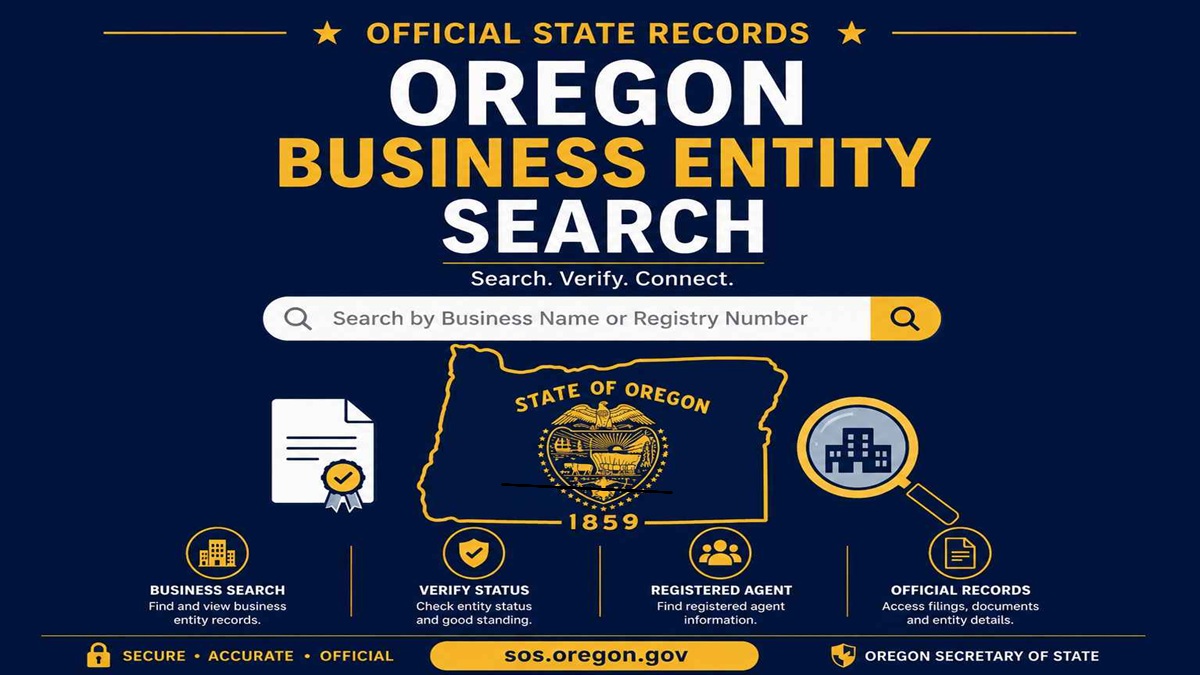 Oregon Business Entity Search July 25, 2026 - Home » Pass-Through Taxation — ExplainedOregon Business Entity Search 2026 Go to Oregon Business Entity Search to find LLCs, corporations, DBAs, and other registered businesses. Verify entity status, review filing history, check registration details, and access official public business records in Oregon for 2026. Fastest National Processing Times! REGISTER AN LLC Trustpilot Business Name Availability …
 Kansas Business Entity Search July 22, 2026 - Home » Pass-Through Taxation — ExplainedKansas Business Entity Search 2026 Kansas business entity search is free at sos.ks.gov. Look up any LLC, check its status, and confirm name availability in under 3 minutes. No login needed. Fastest National Processing Times! REGISTER AN LLC Trustpilot Business Name Availability Check State of Kansas Entity Name: Checking name… …